
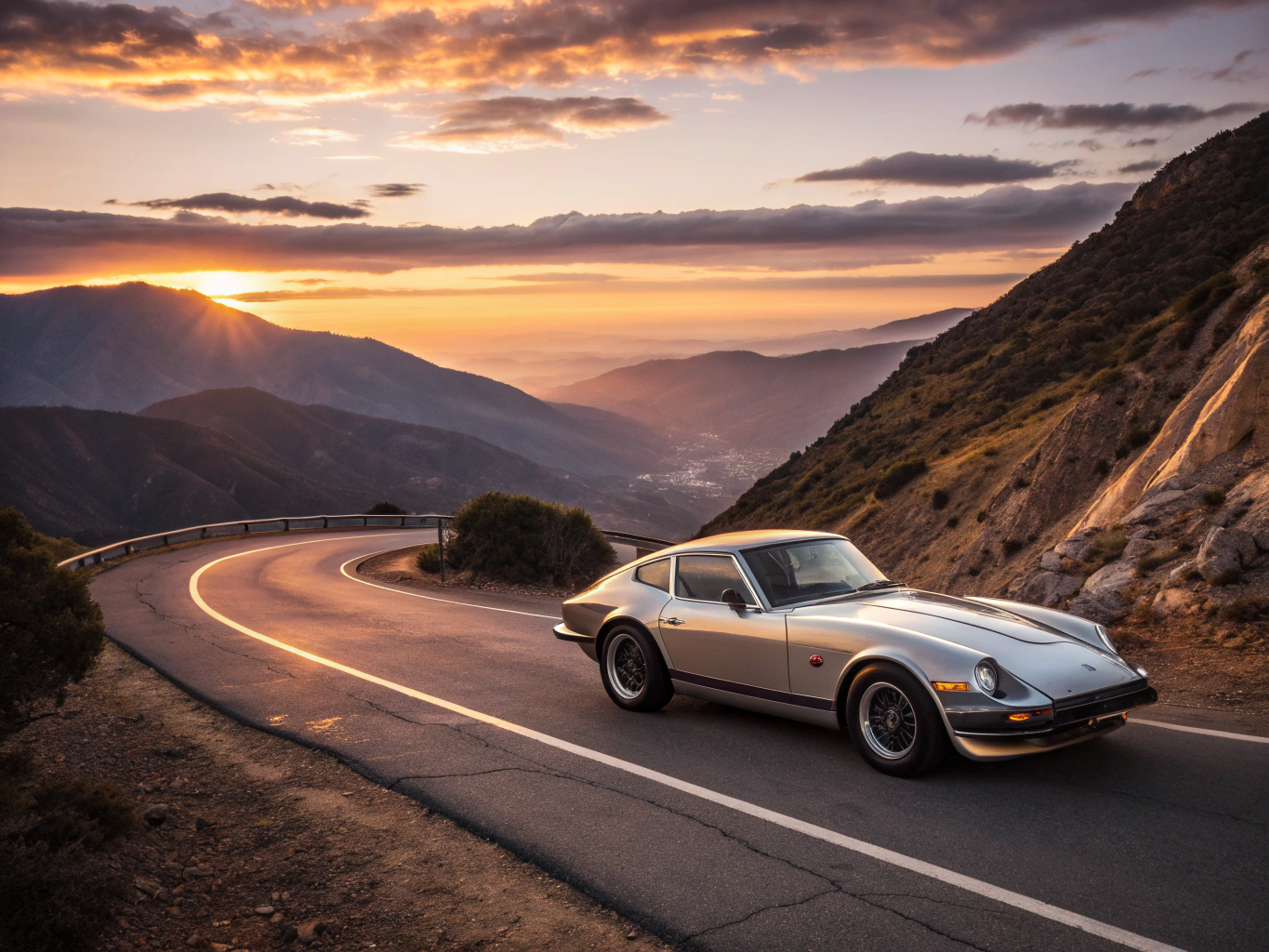
Is the Datsun 280Z Still Worth It in 2025? Data-Backed Insights
Is the legendary Datsun 280Z really still a smart buy in 2025? Despite being over four decades old, the Datsun 280Z continues to rev up the hearts—and portfolios—of car collectors, enthusiasts, and newcomers. In an era where modern sports cars flaunt advanced tech, the 280Z’s blend of reliability, classic styling, and rising market value begs the question: Is it a smart value play or nostalgia overload? Let’s explore why the Datsun 280Z remains one of the most sought-after Japanese classics, and what you truly get for your money this year.
Key Features and Specifications
What makes the Datsun 280Z a cut above most vintage sports cars? Here’s a concise breakdown:
- Engine: 2.8L L28E Inline-6 (fuel-injected)
- Horsepower: 170 hp @ 5,600 rpm
- Torque: 163 lb-ft @ 4,400 rpm
- Transmission: 4-speed manual or optional 3-speed automatic
- Curb Weight: 2,875 lbs
- Drivetrain: Rear-wheel drive
- Classic Styling: Long hood, fastback roofline, classic chrome accents
- Interior Details: Analog gauges, minimalist dash, and deep-bolstered seats
Comparison Insight: The 280Z’s 170 hp outperformed domestic rivals like the 1978 Ford Mustang II (at just 140 hp), making it a leader in its era—and still a respectable performer among vintage coupes.
For collectors, it’s often compared to the Toyota Supra Mark I and the Porsche 924, but the Datsun’s balance of torque, weight, and style consistently draws higher demand in classic car auctions.
Performance & Efficiency
When speed and poise matter, here’s how the Datsun 280Z delivers:
- 0–100 km/h Acceleration: 8.0 seconds (modern tune-ups can reduce this to 7.5 seconds)
- Top Speed: 125 mph
- Fuel Economy: 18–22 mpg (city/highway)
Compared to the earlier 260Z, the 280Z offers improved throttle response and reliability with the Bosch L-Jetronic fuel injection. For real-world usage, its responsive steering and near 50:50 weight distribution mean corner carving is still a thrill—yet long highway cruises are comfortably achievable.
Rival Check: While modern sports cars like the Mazda MX-5 easily outpace the 280Z on paper, few deliver the same raw, analog connection between driver and machine.
Step-by-Step Guide: Inspecting a Datsun 280Z Before Purchase
Step 1: Exterior & Rust Check
Pro Tip: Focus on wheel arches, rocker panels, and the battery tray—these are notorious rust traps on the 280Z.
Tools Needed: Magnet, flashlight, inspection mirror.
Step 2: Engine & Mechanical Soundness
- Start cold and listen for knocks or smoke.
- Confirm clean oil and inspect for leaks around the oil pan and transmission.
Step 3: Suspension & Undercarriage
- Bounce each corner to check for worn shocks.
- Examine bushings and rear differential for leaks or excessive play.
Step 4: Electricals & Dashboard
- Tap all switches—original units often suffer from age-related faults.
- Check for complete, original gauges (OEM clusters add to value).
Safety Note: Always wear gloves and have a fire extinguisher at hand when dealing with old fuel systems.
Cost & Value Breakdown
Let’s get specific: How much does a Datsun 280Z cost in 2025, and what’s the value curve look like?
- Fair Condition (Runner, not restored): $14,000–$22,000 USD
- Good/Partially Restored: $24,000–$35,000 USD
- Excellent/Concours: $40,000–$68,000+ USD
- Annual Value Retention: According to Hagerty, the 280Z retains nearly 88% of original (recent) sale prices over 3 years—a leader among 1970s Japanese classics.
Collector’s Note: OEM parts, matching numbers, and documented service history drive up sale prices. Touring or modded Zs may fetch lower values unless upgrades are period-correct.

Best Alternatives or Upgrades
If you’re not set on the Datsun 280Z, here are solid competitors and smart upgrades:
- Porsche 924/944: Offers European style and excellent handling; appreciation rates are lower but parts are costlier.
- Toyota Celica GT Liftback (RA29): Rising in value, easier to maintain, and similarly reliable.
- Mazda RX-7 SA22C (1979-1985): Lightweight rotary thrill; maintenance and engine longevity are bigger concerns.
Upgrade Pathways (for Z-lovers):
- Suspension: KYB or Tokico shocks enhance modern driving feel without hurting originality.
- Fuel Injection: Swap for Megasquirt for better efficiency, or stay classic—OEM fueling wins with collectors.
- A/C Upgrades: Retro-fit modern compressors for comfort in hot climates.
Tailor these to your needs: budget seekers might love the Celica, while tuners flock to the RX-7’s mod culture.
Use Case & Driving Experience
Who should drive a 280Z, and where does it truly shine?
- Urban Weekends: Turns heads at coffee meets, easy to park.
- Coastal Cruising: Sunroof down, straight-six singing—there’s nothing quite like it.
- Collector’s Garages: Minimalist interior, thin-pillared views, and tactile controls appeal to the analog purist.
Personal Impression: Whether you’re a spirited commuter, a collector, or a tuner, the Datsun 280Z serves visceral feedback—every twist of the road is pure, analog joy.
Common Mistakes to Avoid
- Ignoring Rust: 70% of used 280Zs need rust repairs—overlook this at your wallet’s peril.
- Overpaying For Mods: Non-original upgrades may lower the value unless expertly installed.
- Undervaluing Documentation: A full-service record can swing prices by 20% or more.
- Forgetting Insurance Costs: Classic policy rates are favorable but check mileage and storage requirements.
Always factor in restoration realities and confirm authenticity before buying.
Maintenance & Longevity Tips
- Oil Changes: Every 3,000 miles or 6 months
- Coolant Flush: Every 18–24 months
- Valve Adjustments: Every 15,000 miles
- Inspect Rubber: Brake lines, vacuum hoses, and weather seals are common fail points after 40+ years.
- Check Electrical Grounds: Clean regularly to avoid intermittent dash failures.
Pro Tip: Join a Z-club or online community for up-to-date parts sourcing, DIY guides, and camaraderie.
Conclusion
The Datsun 280Z stands tall as a usable, reliable, and appreciating classic for 2025—delivering peerless analog thrills, surprising reliability, and solid value retention. Whether you’re seeking a project car, a weekend toy, or a long-term investment, the 280Z remains a top Japanese vintage bet.
Ready to start your journey? Dive deeper with our buyer’s guide, or share your own 280Z story in the comments below!
FAQs
Is the Datsun 280Z reliable for daily use?
Yes, with regular servicing, the 280Z is highly reliable compared to most classics. Fuel-injected models are particularly robust.
Are Datsun 280Z parts expensive or hard to find?
Thanks to a strong enthusiast community, most maintenance parts are affordable and accessible. Some body trim and specific interior bits can be premium-priced.
How much is insurance for a Datsun 280Z in 2025?
Classic car insurance is typically $300–$600/year, depending on coverage, mileage, and location—much lower than modern sports cars.
Will the value of the Datsun 280Z go up in the future?
Historical and current trends suggest steady appreciation, especially for unrestored, original examples.
Is the Datsun 280Z a good investment for first-time classic buyers?
Absolutely. Its balance of manageable maintenance, accessible performance, and rising value makes it one of the most recommended starter classics.
Looking for more classic car guides? Explore our reviews on the Toyota Supra, Mazda RX-7, or join our newsletter for the latest market insights.